
Commercial disclosure:** FansFlux and Penmowu are operated by the same owner. This guide includes commercial references to Penmowu. Provider information is based on public descriptions, not a hands-on delivery test.
Automatic Instagram likes and one-time likes packages differ in more than convenience. They can have different triggers, limits and payment commitments. The right comparison begins with your publishing schedule: how many eligible posts will appear, what each should receive and how much cash can be committed over the period.
Do not read “automatic” as “unlimited,” and do not read “cancel anytime” as a promise that every charge already made will be returned.
Understand what triggers the service
A one-time package normally requires a defined current post or selection of posts. An automatic offer needs a rule for future activity: which uploads qualify, when detection begins and whether the provider sets a daily or total cap.
The public Buzzoid Instagram likes page describes both package options and an automatic offering for new posts. Its selected billing configuration must be checked before purchase. This is a description of the published offer, not an independent test. Buzzoid: Instagram likes product page
For any provider, confirm whether Reels, carousels and other formats are included rather than assuming every upload consumes the same allowance.
Compare three possible payment models
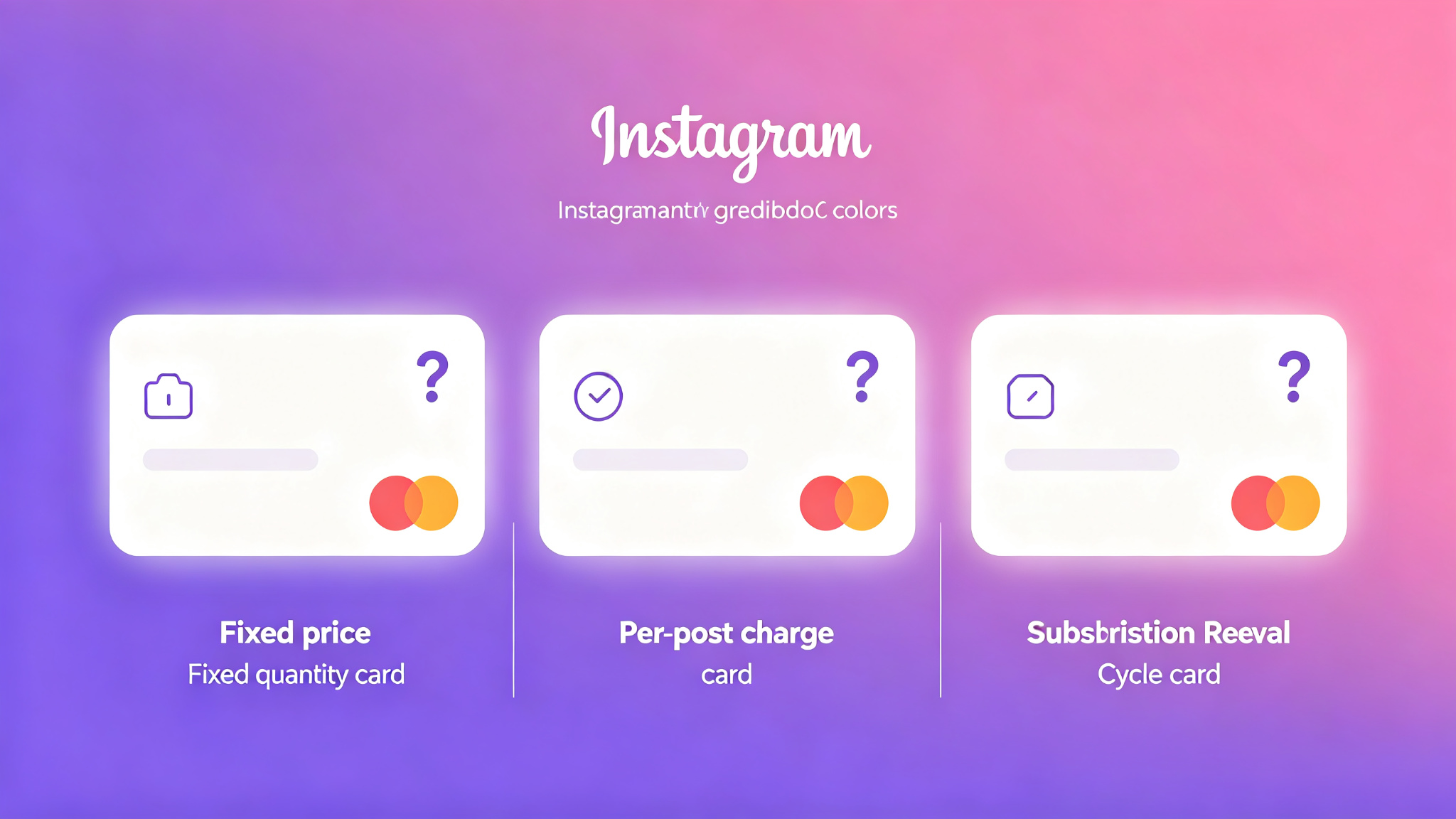
One model charges a fixed price for a fixed quantity on selected posts. Another charges as each eligible post is processed. A third renews a subscription for a stated allowance or configuration. Providers may combine elements, so read the actual terms.
A fictional creator publishing eight times a month might prefer a predictable commitment. A creator whose schedule varies from three to twenty posts needs to understand the cap and the cost of extra activity. The cheaper advertised monthly price is not necessarily cheaper for both people.
Build a realistic monthly comparison
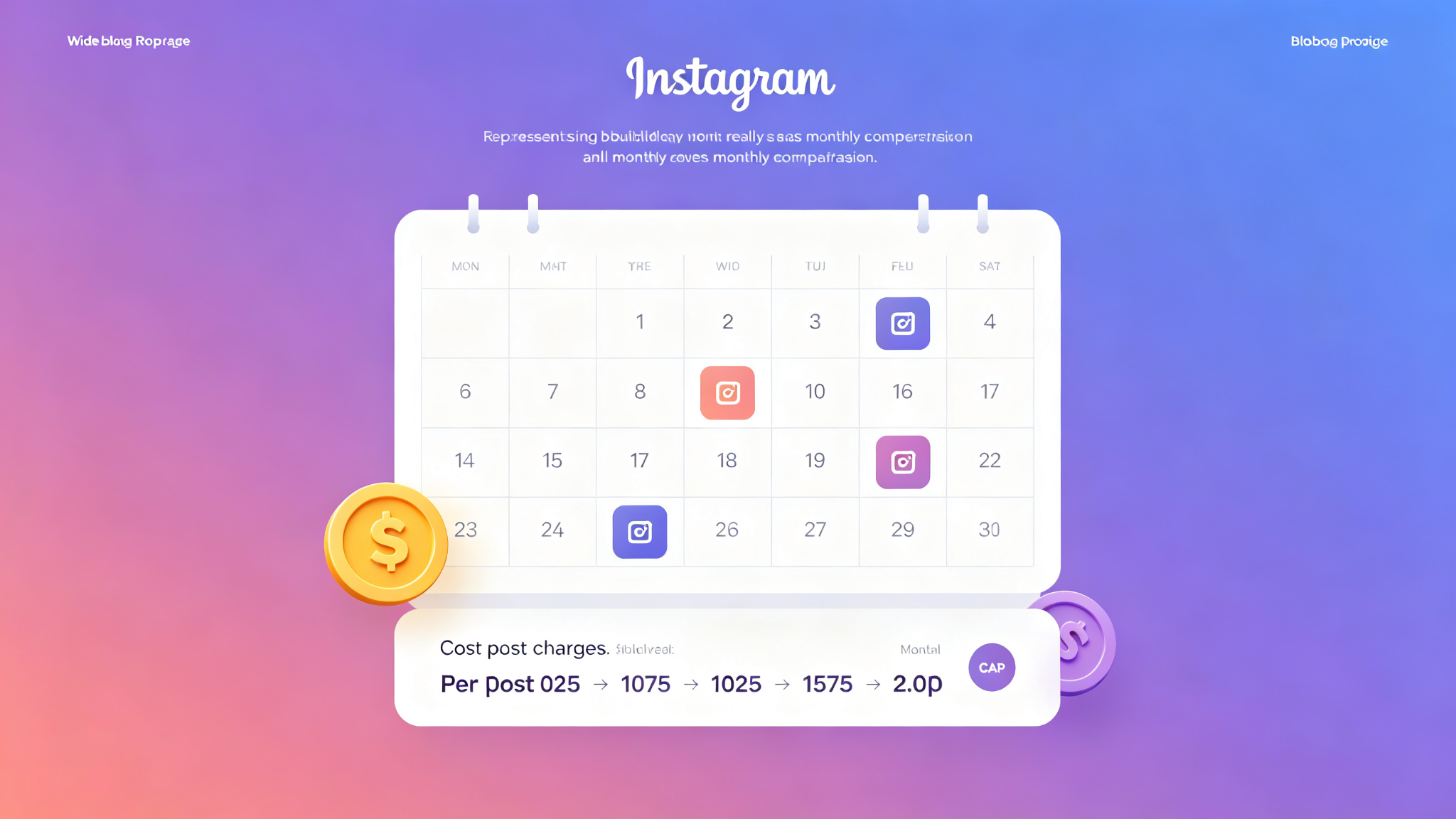
Use an example calendar with the exact number of posts you expect. For a hypothetical per-post charge of $1 and twelve posts, the nominal month would cost $12. A fictional $15 monthly plan is not automatically worse: its scope might differ. Conversely, a plan advertised at $8 could become more expensive if it adds charges after a low post cap.
These figures are examples, not current quotations. Add funding requirements and any applicable fees separately. Keep unused account credit distinct from both expenses and refunds.
Define what happens when publishing changes
Ask about extra posts, skipped weeks, a changed username and a temporarily private account. Also ask whether reposting a deleted item can trigger another delivery. An automatic system following a rule may not understand your editorial intention.
Make a note of the stop procedure and the effective cancellation time. If a renewal is scheduled, distinguish stopping future billing from cancelling an already processed order. Never assume deleting a post or logging out of a service account cancels a subscription.
Keep a record of coverage
Maintain a ledger of eligible post links, publication timestamps, included quantities and observed order statuses. This is especially important for automatic services because there may not be a manual checkout reminder for each post.
If one item appears missing, report that link and the relevant time window. If several items received activity, do not infer that every future upload is covered indefinitely. The package's own limit and expiry remain the reference point.
Evaluate the workflow without confusing it with growth
Automatic delivery can change an ordering workflow; it does not prove that the audience prefers your content. Keep paid numerical activity separate from organic comparisons, enquiries and sales. Do not use automatically supplied likes as evidence of spontaneous customer approval.
For readers considering Penmowu, review the selected Instagram entry and confirm whether it is a one-time service or an explicitly defined recurring product. Penmowu public service catalog Do not infer automation from a general category name.
Choose the model whose trigger, cap and stopping rule you can explain clearly. Convenience is only useful when it does not conceal the commitment.
References
- Buzzoid: Instagram likes product page
- [Penmowu public service catalog