
Commercial disclosure:** FansFlux and Penmowu are operated by the same owner. This guide includes commercial references to Penmowu. Provider information is based on public descriptions, not a hands-on delivery test.
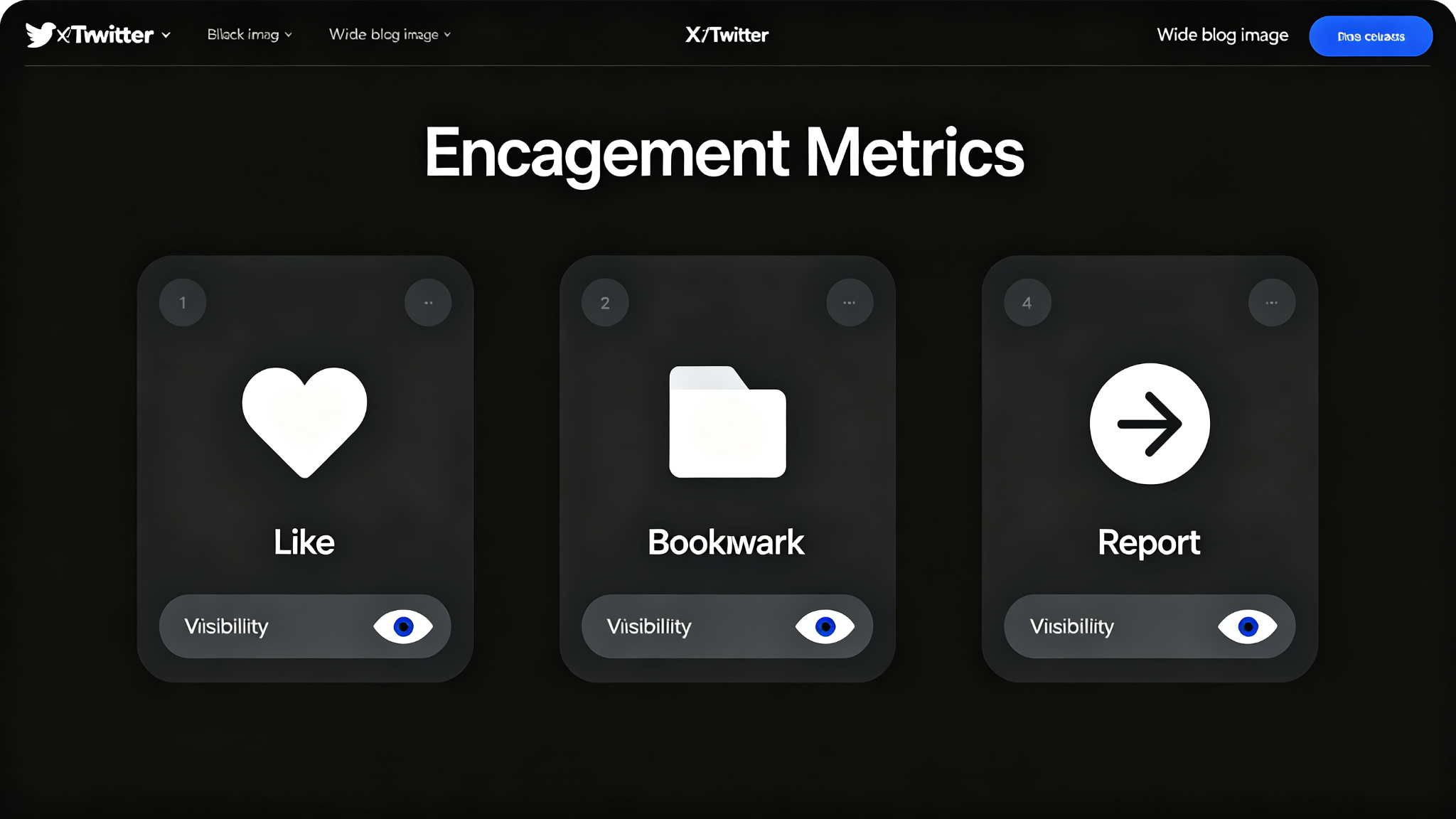
An X bookmark saves a post for later, while a like is a different interaction. They should be treated as separate actions in a service comparison and in a campaign report.
The difference matters because a creator may see an aggregate count without knowing an individual's reason for taking the action. Neither a bookmark nor a like proves that someone read the full post, visited a website or intends to buy.
Understand the action before the package
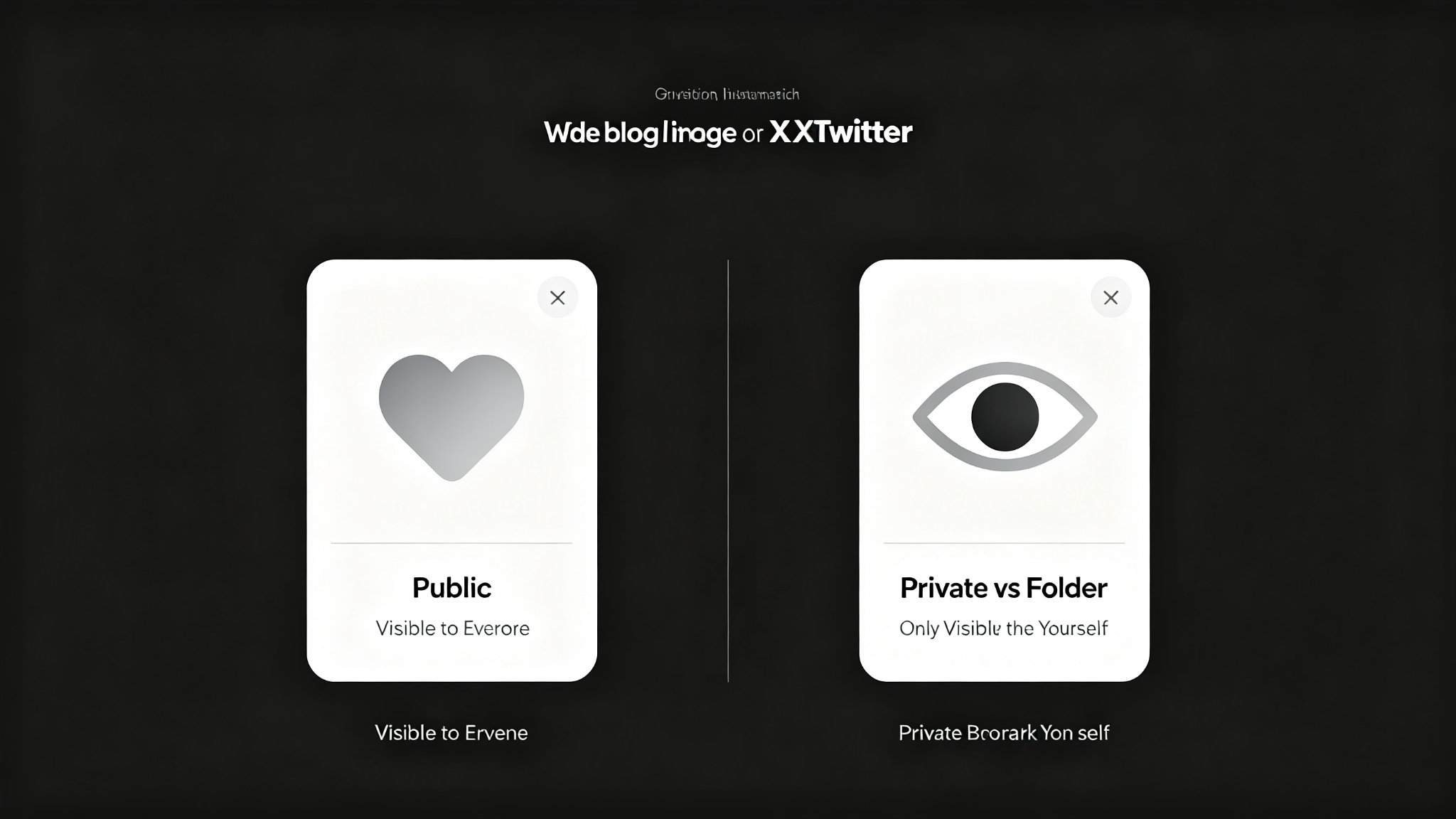
X's bookmark feature is designed for saving posts. Its help documentation also explains the privacy of saved bookmarks. A service description should not turn a private action into a promise to reveal who saved something. X: bookmarks
Keep content preservation separate from public endorsement. A person may save a post to research it later, check a claim or return to a resource. Those motivations cannot be inferred from the count alone.
A like may also have different motives. Avoid assigning a universal psychological meaning to either action.
Check the target and visibility claims
A bookmark order should specify the post it targets and the quantity being discussed. A profile URL alone may not identify the post. Check the supplier's accepted link format rather than relying on a generic X category.
Penmowu offers several X engagement types. Read the actual bookmark or like entry and its conditions; do not assume they use the same pricing or after-sales rules. Penmowu public service catalog
Be particularly careful with claims about visibility. A larger number does not establish that X will recommend the post or that other people will see the identity of the accounts involved.
Compare quantities without double-counting
Imagine a fictional post receives 150 likes and 60 bookmarks during a campaign window. Adding them produces 210 recorded actions, not 210 unique people. The same account could have performed both actions, and the report may not provide a deduplicated overlap.
If your business goal is document downloads, record downloads separately. Do not multiply bookmark counts by an assumed conversion rate unless you have a defensible measurement model—and label any estimate as an estimate.
This distinction is especially important when some activity was arranged through a paid service rather than generated by spontaneous reader interest.
A more useful content question
Ask why a reader would want to return to the post. A concise checklist, a documented comparison or a genuinely useful reference may justify saving. Create that value before deciding which metric belongs in the report.
For example, an accountant could publish a fictional month-end preparation checklist without private client information. The useful outcome might be downloads of the full worksheet and relevant inquiries. Bookmarks can provide context, but they are not the same as those outcomes.
There is no need to manufacture a universal “correct ratio” between likes and bookmarks. Different content serves different purposes.
Keep service terms and platform rules separate
X's authenticity policy addresses artificial inflation of metrics. Buying a particular action does not establish platform approval, and a supplier's refund condition does not change that policy. X: authenticity policy
Before payment, ask how the product defines delivery, what can be observed and what happens when the stated quantity is not delivered. Avoid requests for private account data or claims that the provider can reveal hidden user identities.
Choosing what to measure
Check current X engagement descriptions on Penmowu only after deciding which action you are comparing.
A good report distinguishes saved content, likes, website visits and actual business outcomes. That makes bookmarks useful context instead of turning a visible number into an unsupported claim about reach, approval or sales.